

Cables In Power Transmission
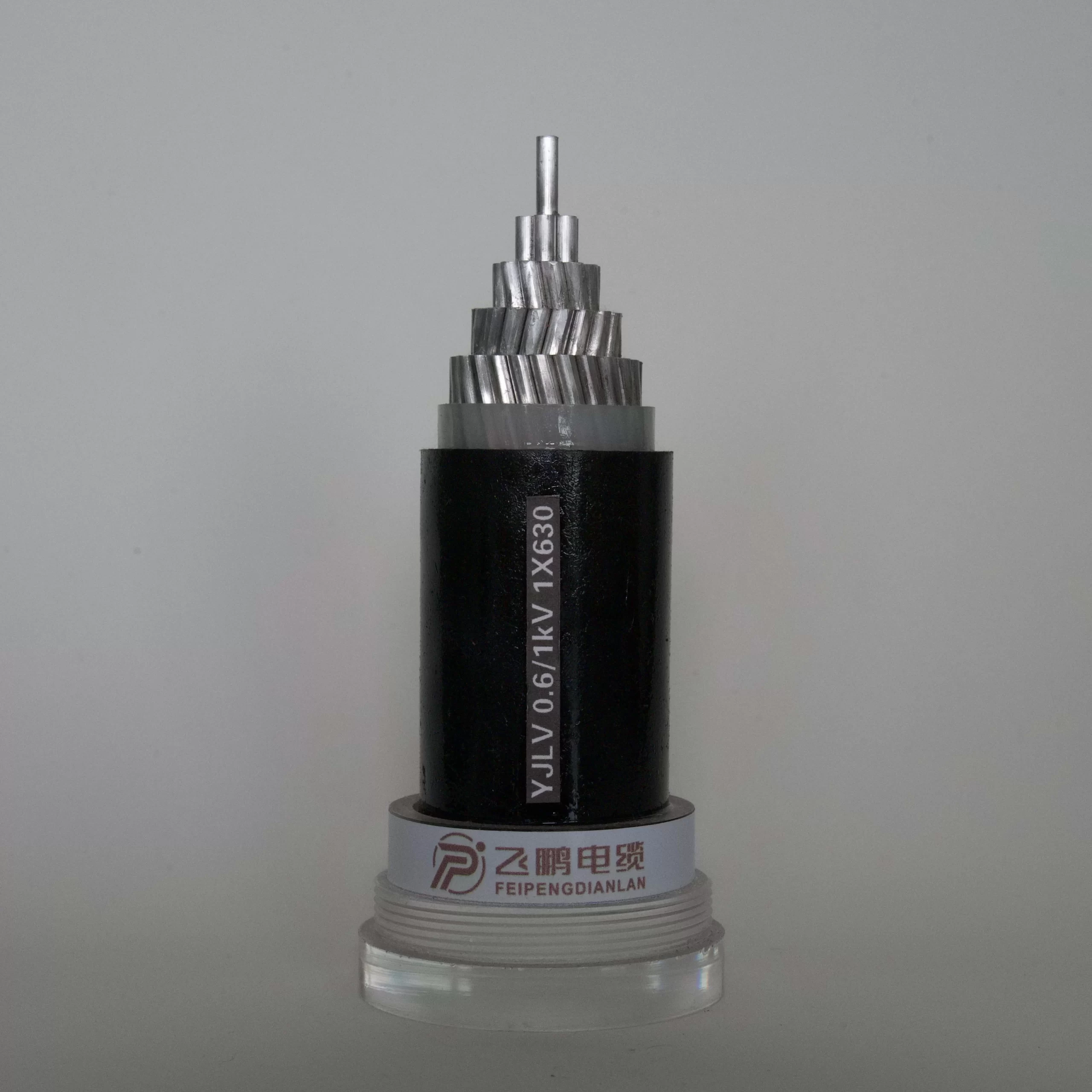
Cables play a vital role in modern power transmission systems. They serve as the key medium for delivering electrical energy from power plants to substations and eventually to residential, commercial, and industrial users. With the continuous growth of urban infrastructure and increasing electricity demand, power cables have become an essential component of reliable energy distribution networks.
In power transmission, cables are mainly used to carry electricity safely and efficiently over various distances. Compared with traditional overhead lines, underground power cables offer several advantages. They are less affected by environmental factors such as wind, rain, and lightning, which helps improve the stability and reliability of the power supply. In addition, underground cable systems reduce visual impact and help maintain a cleaner and more organized urban environment.
Modern power cables are designed with advanced materials and insulation technologies to ensure excellent electrical conductivity, heat resistance, and durability. These features allow cables to operate efficiently for long periods even under demanding conditions such as high temperatures, moisture, or heavy electrical loads.
As energy systems continue to evolve and electricity demand increases worldwide, the importance of high-quality power cables will continue to grow. Reliable cable technology not only improves the efficiency of power transmission but also supports sustainable urban development and stable industrial operations.
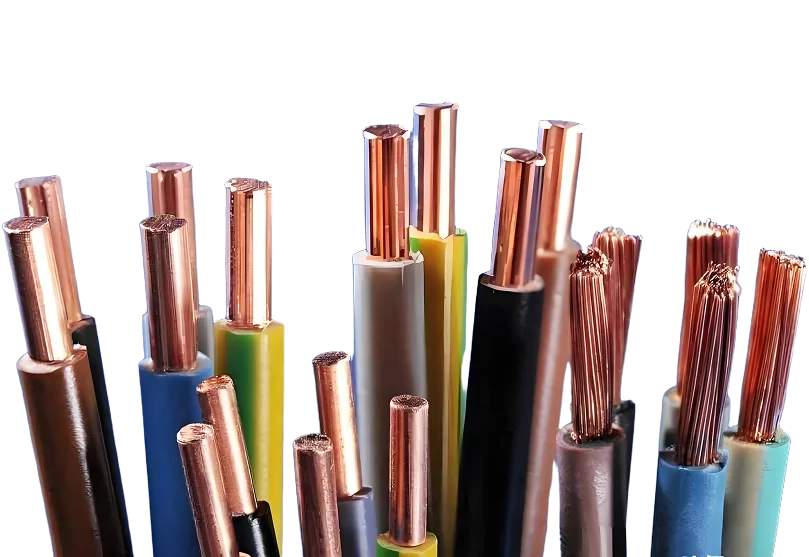
Powering the Future with Reliable Cable Solutions
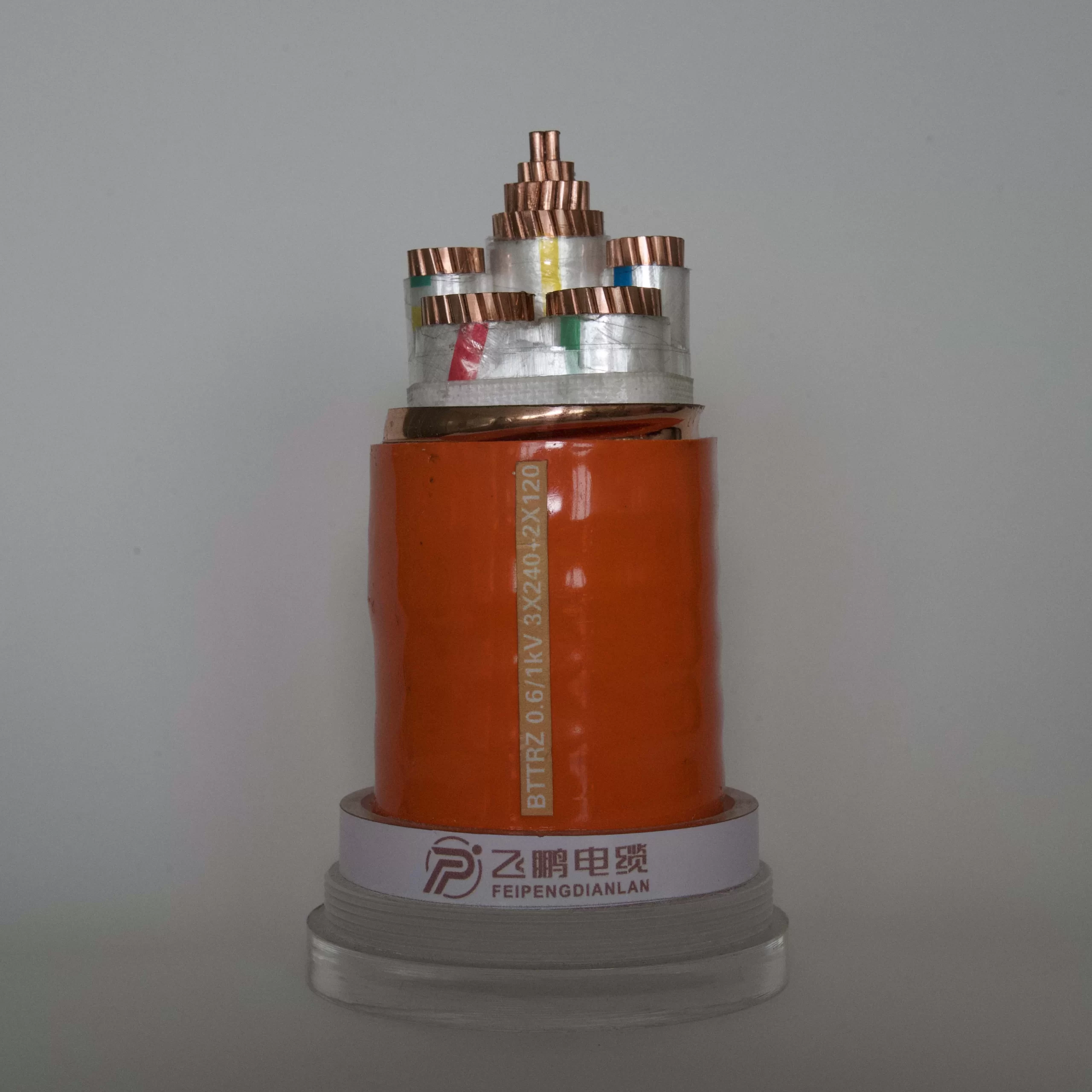
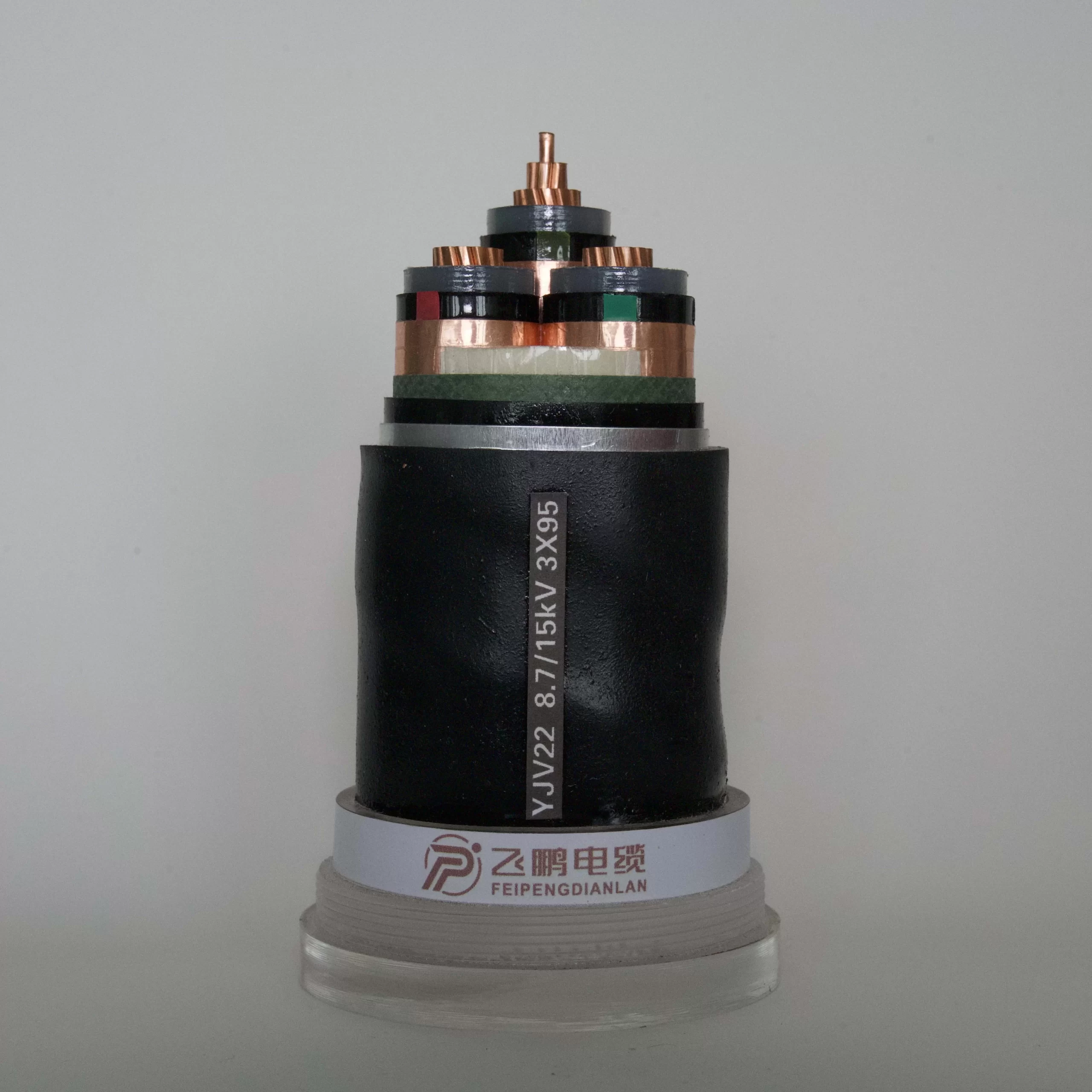
Our high-quality cables are designed to deliver safe, stable, and efficient power transmission for a wide range of applications, including industrial systems, commercial buildings, infrastructure projects, and energy networks.


Hit enter to search or ESC to close


