

Innovations in Cable Technology for Safer Power Distribution
March 17, 2026
In today’s rapidly developing world, reliable and safe power distribution is essential for industries, cities, and households. Electrical cables play a crucial role in delivering electricity from power plants to end users. As global demand for energy continues to grow, cable technology has evolved significantly to improve safety, efficiency, and durability. Modern innovations in cable design and materials are helping power systems become more reliable while reducing risks such as overheating, electrical faults, and fire hazards.
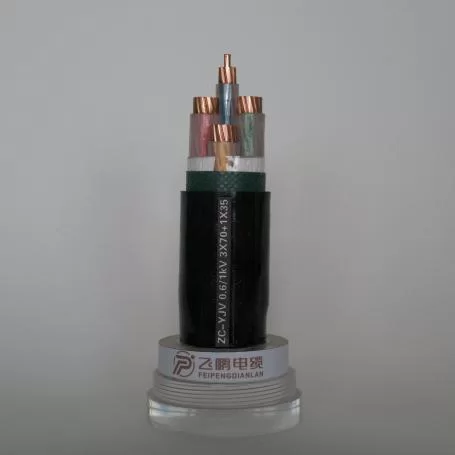
One of the most important advancements in cable technology is the development of improved insulation materials. Traditional insulation materials have gradually been replaced by advanced polymers such as cross-linked polyethylene (XLPE). These materials offer excellent thermal resistance, electrical insulation, and long-term stability. With better insulation, cables can operate safely at higher voltages and temperatures, reducing the risk of short circuits and power failures.
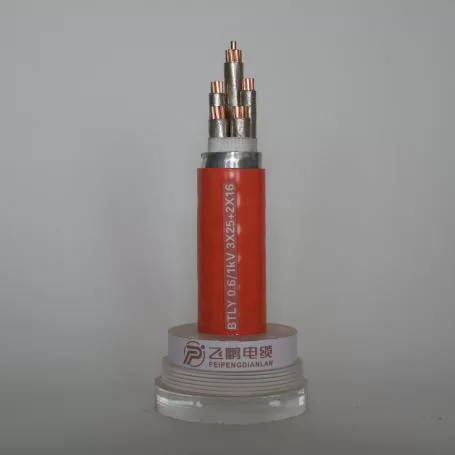
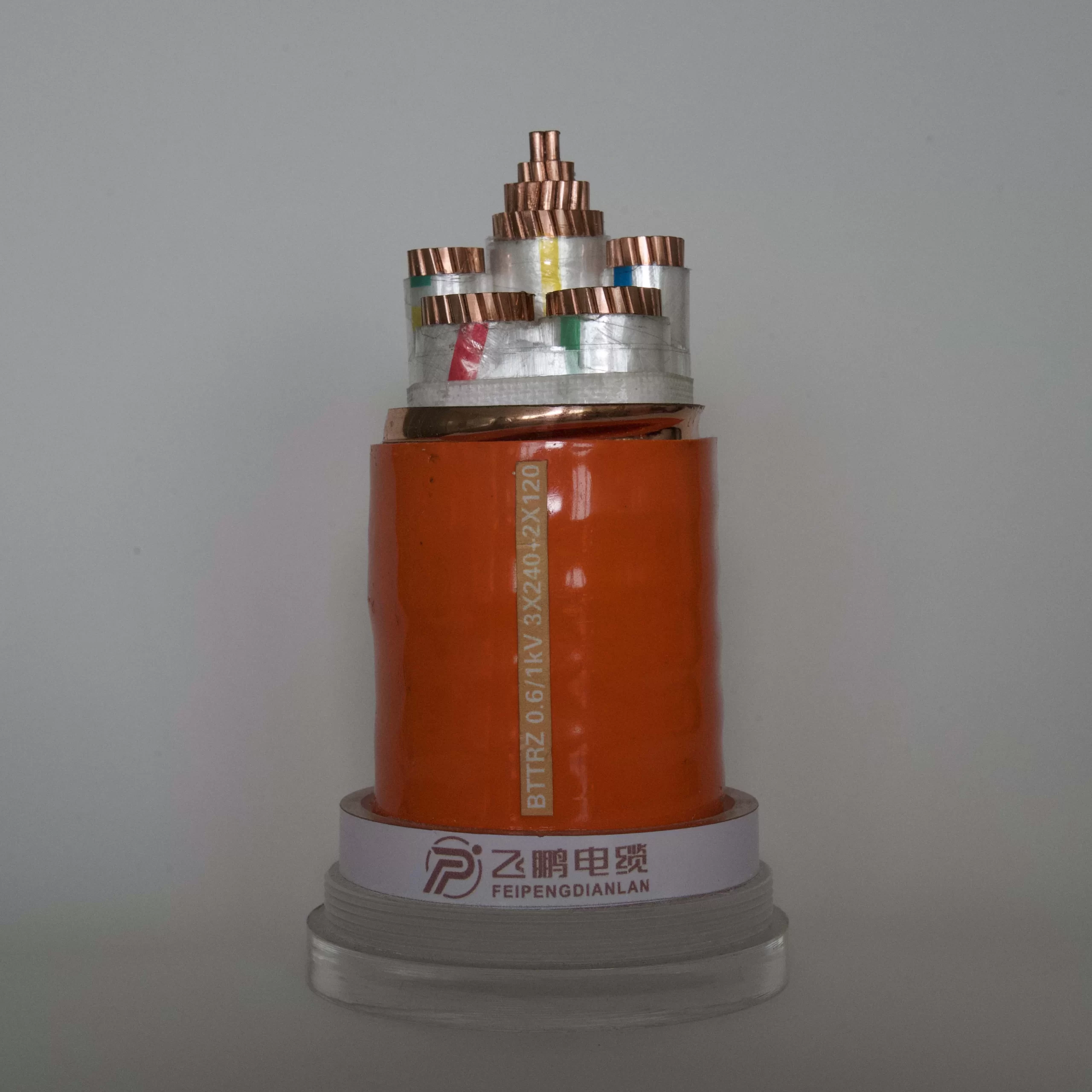
Another key innovation is the use of fire-resistant and flame-retardant cable materials. In critical environments such as hospitals, airports, tunnels, and high-rise buildings, maintaining power during emergencies is extremely important. Fire-resistant cables are designed to continue functioning even when exposed to high temperatures or flames. This ensures that emergency systems such as alarms, lighting, and communication equipment remain operational during fires, improving overall safety.
Smart cable monitoring technology is also transforming modern power distribution systems. Today, many advanced cables are equipped with sensors or monitoring systems that can detect temperature changes, insulation degradation, or mechanical damage in real time. These smart monitoring solutions allow maintenance teams to identify potential problems early and prevent serious electrical failures. By using data analysis and predictive maintenance, utilities can significantly reduce downtime and improve network reliability.
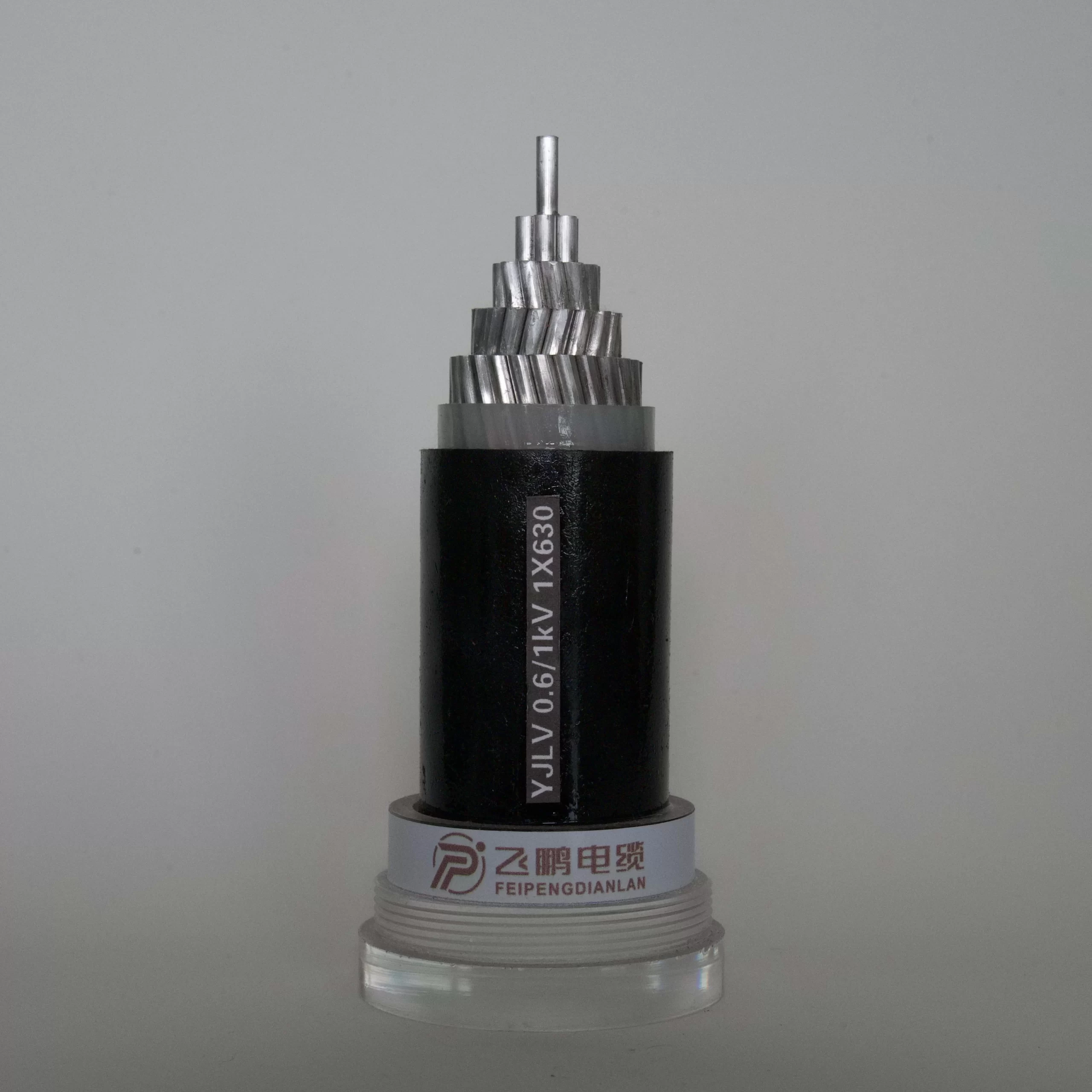
In addition, improvements in conductor materials have increased the efficiency of electrical cables. High-purity copper and advanced aluminum alloys are now widely used to reduce electrical resistance and energy loss during transmission. These materials help power systems deliver electricity more efficiently over long distances, which is especially important for expanding urban infrastructure and renewable energy integration.
Environmental sustainability is another important focus of modern cable innovation. Manufacturers are developing eco-friendly materials that reduce environmental impact while maintaining high performance. Recyclable insulation materials, halogen-free flame retardants, and energy-efficient production processes are becoming increasingly common in the cable industry. These developments support global efforts to build greener and more sustainable power networks.
Furthermore, the integration of cables into underground and submarine power systems has driven the need for stronger and more durable cable designs. Advanced protective layers and improved manufacturing techniques allow cables to withstand extreme environmental conditions such as moisture, pressure, and mechanical stress. This is especially important for offshore wind farms and international power connections.
In conclusion, innovations in cable technology are playing a vital role in improving the safety and efficiency of modern power distribution systems. From advanced insulation materials and fire-resistant designs to smart monitoring systems and eco-friendly manufacturing, these developments are helping create more reliable electrical infrastructure. As technology continues to evolve, cable innovations will remain essential in supporting global energy demand and building safer, more sustainable power networks for the future.

Hit enter to search or ESC to close


