

Infrastructure Development Boosts Global Cable Market Growth
September 10, 2025
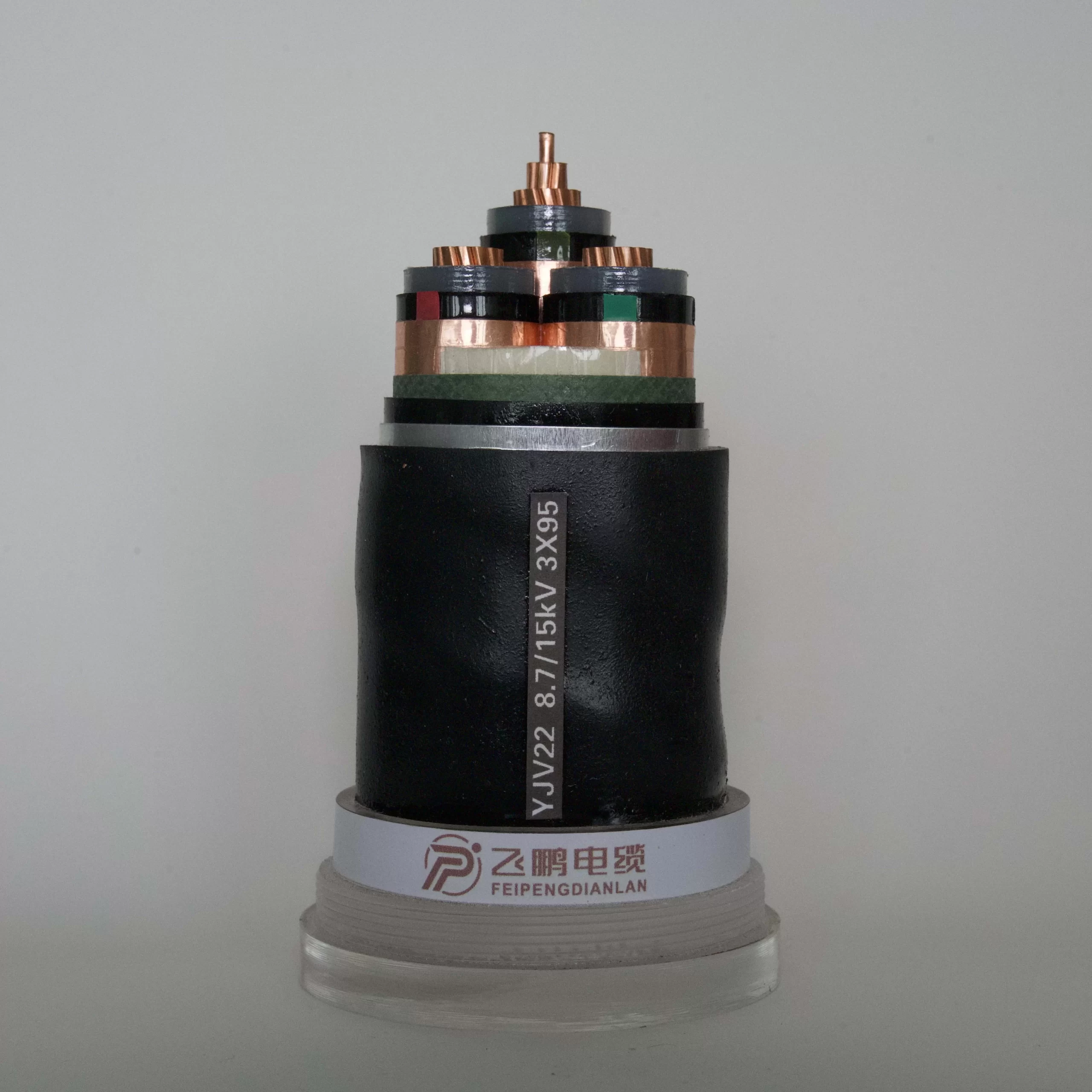
The global cable market is expanding rapidly as countries invest in large-scale infrastructure development and modernization projects. Power cables, communication cables, and specialty industrial cables are essential components that support economic growth and technological advancement.
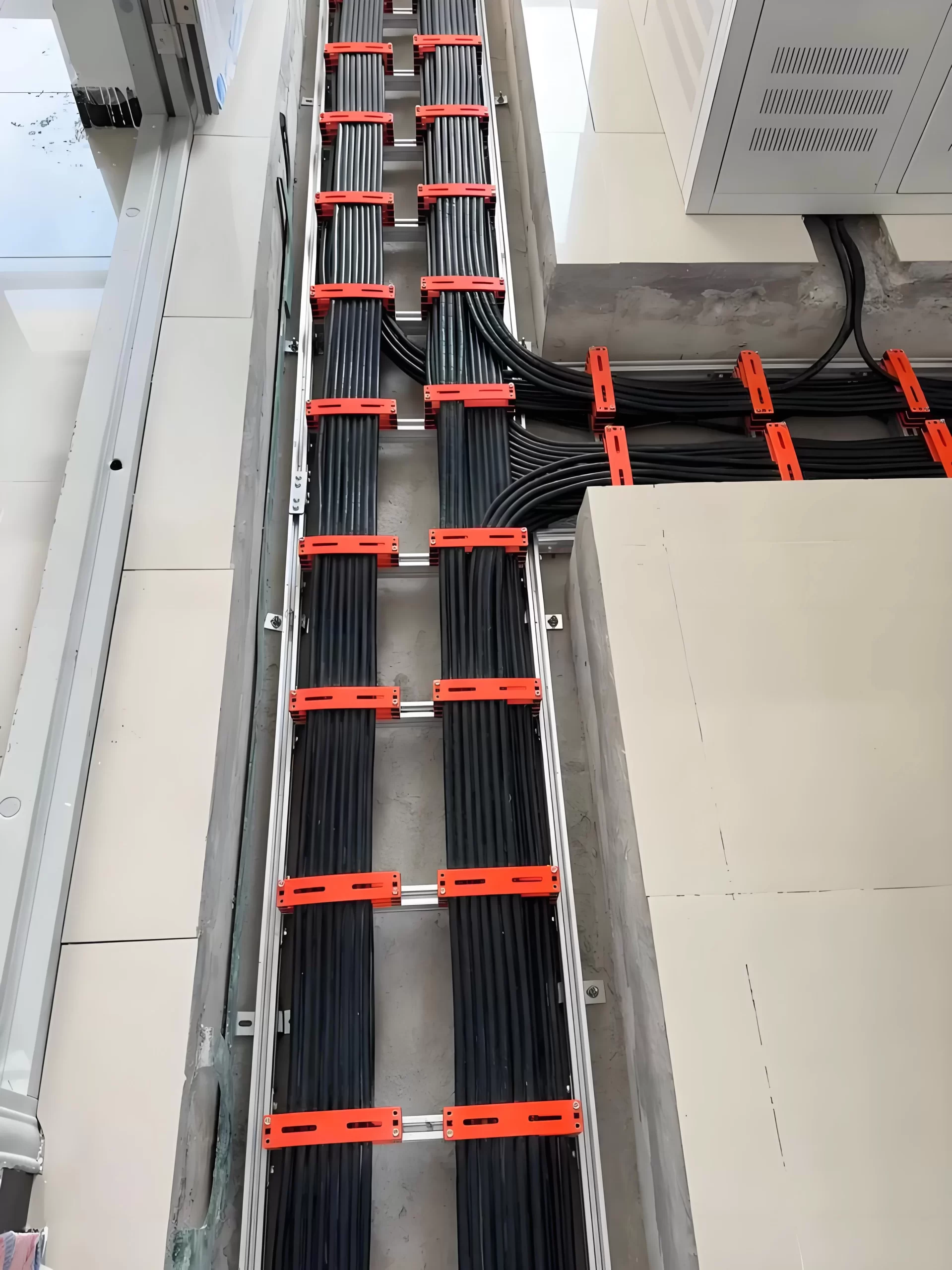
One of the primary sectors driving cable demand is the construction industry. Residential buildings, commercial complexes, and industrial facilities all require reliable electrical wiring systems. High-quality cables ensure safe power distribution, reduce energy loss, and improve overall electrical efficiency.
Transportation infrastructure is another important factor contributing to cable market growth. Modern railways, airports, and subway systems require extensive cable networks for power supply, signaling systems, and communication equipment. As many countries upgrade their transportation networks, the need for durable and high-performance cables continues to rise.
The telecommunications industry is also a major contributor to cable demand. The global rollout of 5G networks requires advanced fiber optic cables to handle higher data transmission speeds and increased connectivity. Fiber optic technology enables faster internet services, supports cloud computing, and improves digital communication worldwide.
Furthermore, industrial automation is creating new opportunities for specialized cables. Manufacturing facilities increasingly rely on automated machines, robotics, and sensor networks. These systems require flexible and high-performance cables capable of withstanding frequent movement and demanding operating conditions.
With continuous investment in infrastructure, energy, and telecommunications, the cable industry is expected to remain a vital part of global economic development. Companies that offer reliable, innovative, and high-quality cable solutions will benefit from strong market demand in the years ahead.




Hit enter to search or ESC to close


